

On November 20, 2024, the BOE published the Royal Decree 1155/2024, which raises a new immigration regulationsWe present the highlights of the standard, which will also come into force next month. May 20.
The objectives of the new immigration regulations
The new immigration regulations aim to adapt to the social, economic and demographic reality of SpainBut what is the immigration regulation? It is a law whose purpose is regular the conditions and procedures for non-nationals to be able to reside, work and regularize their situation in Spanish territory. It is also responsible for establishing the ways in which foreigners can enter the country and defines the rights and obligations, not only of migrants, but also of the institutions responsible for managing their integration into society.
It should be noted that the new immigration regulations updates certain aspects so that the law is more in line with the current situation of the country. Thus, it adapts to the social, economic, and demographic changes of recent years.

The changes proposed by the new immigration regulations
Visas and residence permits
One of the changes proposed by the new immigration regulations is the introduction of a visa for the job searchThis visa is intended for migrants who have training in sectors with high employment demand in Spain. Individuals who are also eligible to apply for it are: descendants of Spaniards of originBasically, it facilitates legal entry into the country for the purpose of seeking work, something that, until now, was not possible.
On the other hand, people who are already in the country, as students either researchers, with the entry into force of the new immigration regulations, they will have more flexibility to be able to work during their stay. This also makes it easier for them to change immigration status (from a study permit to a work permit), without obstacles.
Authorizations by roots
When a person remains in the country in an irregular situation, he or she can legalize his or her situation through the rootsUntil now, the mandatory residence period to initiate this procedure was three years without leaving Spanish territory. The new immigration regulations reduce this period from three to two years for all existing types of residence permits:
- SocialWith this type of residence permit, it is possible to apply for residency by demonstrating financial means and close family or social ties.
- Socio-formativeIt replaces residency for training and allows for the inclusion of ongoing studies as a way to regularize one's status in the country. Furthermore, those who benefit from this option will be able to work up to 30 hours while in training.
- Socio-laboralIt replaces the permanent employment permit and focuses on people who have worked in Spain in the last two years. This new provision makes employment requirements more flexible, allowing pre-contracts for 20 hours per week or multiple pre-contracts. Previously, a 40-hour contract was required.
- FamiliarWhen a foreigner is the mother or father of a Spanish minor, they can request this type of authorization to regularize their status. This guarantees the minor's care. It should be noted that the new immigration law imposes certain limitations on this option compared to the previous legislation.
- Second chanceThis type of residence permit is available to individuals who have lost their legal residence in the two years prior to applying and who require a means to legalize their residence.
Protection of vulnerable groups in the new immigration law
The new immigration law offers special measures for people in vulnerable situations. This includes, for example, victims of gender violence or human trafficking. These people will have direct access to permits for both residence as of jobThe aim of the reform is to offer immediate protection and access to basic rights, as a dignified and safe life, free from violence.
Streamlining processes
The new immigration law includes the digitalization, so many applications and renewals can now be made by Internet, which will undoubtedly make all procedures easier and faster. Furthermore, the regulation also clarifies the administrative requirements, so that foreigners can understand the necessary steps to follow, depending on their situation. Some of these changes include:
- The following will be specified in detail: necessary documents for each type of procedure, presenting a clear and concise list.
- The new regulations establish uniform criteria which avoid discrepancies between the different immigration offices.
- The following are introduced: digital notifications, thus streamlining processing times. This will allow for fluid communication regarding procedures, avoiding the delays caused by physical notifications.
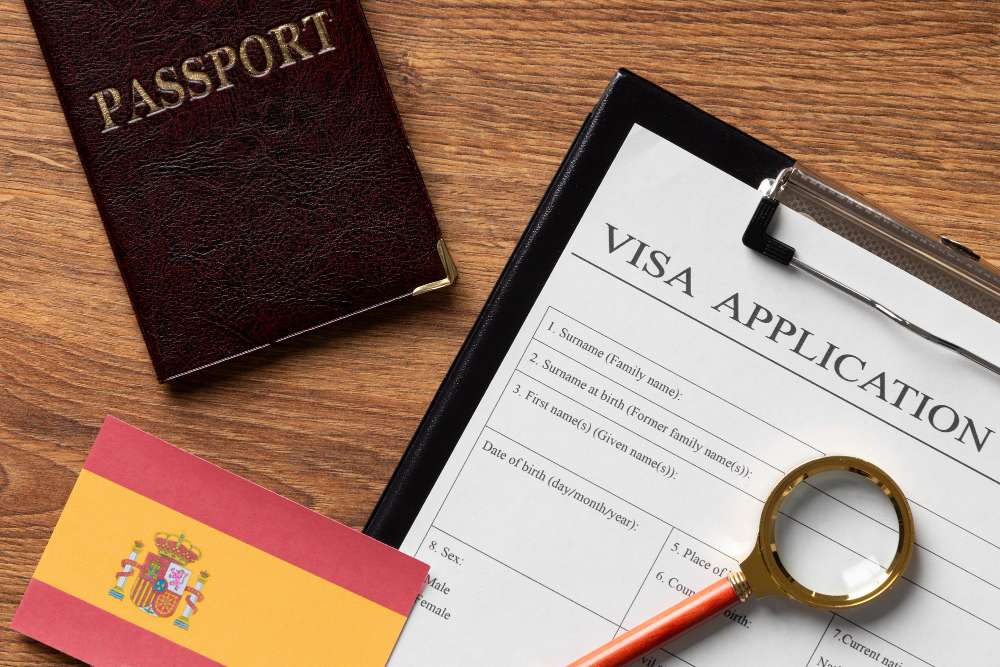
International mobility and voluntary return
The new regulation on immigration presents improvements in terms of international mobility This means that family members of long-term residents in other European Union countries will be able to request a residence in our country, without the need for a visa. As for voluntary return In this regard, foreigners who have been holders of a long-term residence permit before participating in this program can renew your residence permit in Spain, as long as they return within two years.
About minors and families
When it comes to the unaccompanied minors, the immigration regulations are very firm in terms of rights and guarantees, maintaining a certain continuity. In case of repatriation, minors must be accompanied by specialized personnelIf there is a judicial procedure underway, repatriation will be possible through judicial authorizationIf there are no proceedings underway, the decision rests with the Government Delegation.
In terms of family reunification, a will continue to be required suitability report through which it is assessed whether the home is suitable for the people who will live there. The report in question includes aspects such as number of rooms and adaptation to the number of population; basic equipment and living conditions and legality of occupation, through a lease agreement or property deeds.
On international protection
A change that the new law presents and that has already been appealed by several organizations, is the one related to asylum. And the time that a person spends as applicant for international protection (asylum), will not be taken into account for the authorizations for settlementNow, only the final denial of the protection request, whether administrative or judicial, will be counted.
Transition period
As we already mentioned, the new immigration law will come into force on May 20, but what happens in the meantime? We tell you that between the November 20, 2024 (when the regulation was approved) and the entry into force of the law, there is a transition period in which special criteria will be applied:
- The applications submitted before May 20, 2025, will be resolved according to the previous regulations. However, applicants may expressly request that the new regulations be applied to them, provided they meet the requirements.
- Residence permits in force will be valid until their expiration. expiration date and no immediate changes will be necessary.
- It will be possible request an exceptional residence permitl for migrants who have been in the country, irregularly, for at least six months and who have a final negative resolution on their asylum application as of May 20, 2025. However, these foreigners must meet the requirements requirements of any of the figures of rooting provided.
In Escalante & Pérez Lawyers We help you to carry out your immigration procedures, in a comprehensive and personalized way, so that you can achieve your personal and professional goals in our country.










 EN
EN  ES
ES