
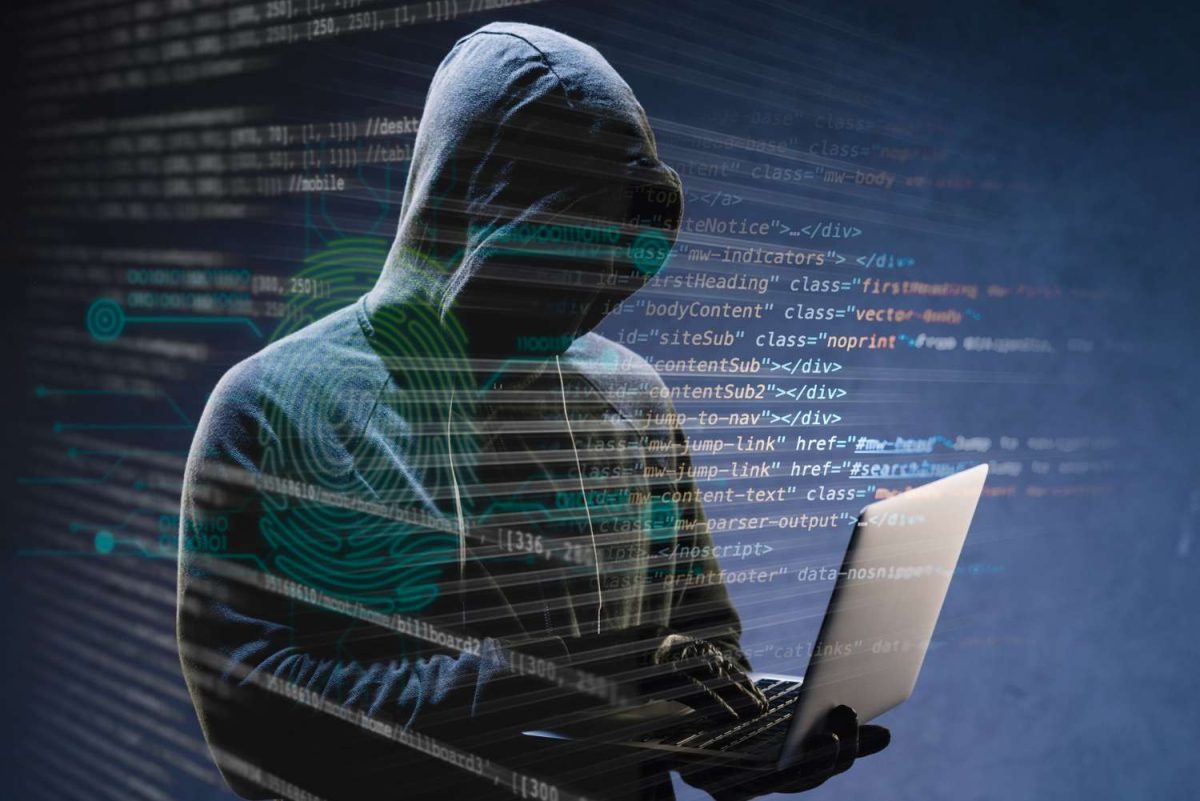
According to data from Ministry of the Interior, One in five crimes committed in Spain are cybernetic, That is, they occur on the network. cybercrime has increased considerably and a good part of them consist of computer fraud or scams. In Escalante & Pérez Lawyers We'll tell you what they are most common cyber scams which ones you could fall victim to and what you can do to prevent them.
What is a cyber scam?
A cyber scam, Broadly speaking, it's a type of cybercrime in which criminals use digital means to deceive people with the aim of obtaining economic benefits or access sensitive information. Scams can be carried out through fraudulent emails, text messages, phone calls, fake websites or social networks. The main goal of scammers is to trick the user into providing information. personal data, passwords, banking information or to make money transfers without realizing the fraud.

The cybercrimes, These offenses, as they are known, are defined in Spanish legislation, specifically in the Penal Code, for almost 30 years. And what are the most common cyber scams? In today's digital age, where virtually every aspect of life takes place online, user protection is essential. cybersecurity, Specifically, it is responsible for protecting people from the risks they may be exposed to online, particularly in the area of financial It refers to.
The most common cyber scams are a constant danger online, although many people still don't know if they're being scammed. Why? Because criminals have found ways to exploit this. sophisticated methods to trick people into falling for the scam without them realizing it. For example, by using highly persuasive emails or text messages that invite the user to share your financial information.
The most common cyber scams in Spain
Phishing
He phishing It's one of the most common techniques used by cybercriminals today. Basically, the criminals impersonate others. entities (like banks) or trustworthy people, to obtain confidential information, such as credit card details, passwords, etc. Phishing is usually carried out through fraudulent links in emails.
Typically, the hook that makes the user fall for the scam is the "imminence" of a event (a fine, the cancellation of an account, the receipt of a prize, etc.). To avoid falling for this scam, one of the most common in our country, the best advice is suspect unknown senders and offers that, although they may seem attractive, are Too good to be true. The best thing to do is to be suspicious and, above all, verify the email addresses from the sender. If in doubt, it's a good idea to contact the financial institution, for example; or any other individual who is presumably behind the email.
Vishing and smishing
Other common scams in Spain include vishing and smishing, Although they are still somewhat unknown, it should be noted that they follow a similar procedure to phishing; however, they are carried out through... phone calls (vishing) and fake text messages (smishing). These messages can be received as SMS or through instant messaging platforms such as WhatsApp, Telegram, etc. These techniques they impersonate someone from financial entities, organizations, acquaintances, etc.; and its objective is also to obtain confidential information, which generally consists of the bank details.
In some cases, criminals manage to get people to do things to them. transfers either money transfers. How can these cyber scams be avoided? It's important to remember that banks do not request this type of information from users through these channels (SMS and phone calls), nor do they ask for it. account deposits.
Fake stores
One of the most common scams in our country are... non-existent online stores. Since 2020, e-commerce has grown considerably, and criminals are taking advantage of this to create web pages mimicking the appearance of official stores. The hooks they use are, for example, great deals and products at incredibly low prices, as well as fast product shipping. The mechanics of this type of scam are quite simple: The person provides their bank details to make the purchase, but, once the payment is made, the product never arrives and the page where the purchase was made disappears.

To avoid these types of cyber scams, the best advice is consult the company's public information, as well as searching for the user reviews, social media profiles, etc. It's also important check the page URL, This is because it should have a padlock icon in the address bar, a clear indicator that the page is more secure. And, of course, it's important to check that the page starts with the HTTPS protocol, which, moreover, Google marks as safe.
Furthermore, these types of cyber scams are also proliferating in the social networks. The criminals create fake business accounts where raffles are often held or very attractive offers are posted. Their goal is gather information about customers.
Is it possible to avoid the most common cyber scams?
If you suspect you may be receiving a suspicious message, email, or call, be wary. The first step is verify the sender's authenticity before clicking on the link that is sent. Additionally, it is crucial to install antivirus on your devices to narrowing security gaps. Furthermore, on devices such as smartphones and tablets, it is recommended to use multi-factor authentication, as this increases security.
What should you do if you've been the victim of one of the most common cyber scams? The best thing to do is warn your financial institution to verify that it is a fraud and, of course, block transactions, the cards and, if necessary, even the account. Only then will it be possible to file a report with the appropriate authorities.










 EN
EN  ES
ES